Interior design 5 min read
How to Brief an Interior Designer: What to Prepare Before the First Meeting
A practical checklist of what to bring to your first meeting with an interior designer: how you live, what you store, what stays, references, budget and timeline, plus the questions to ask the designer.


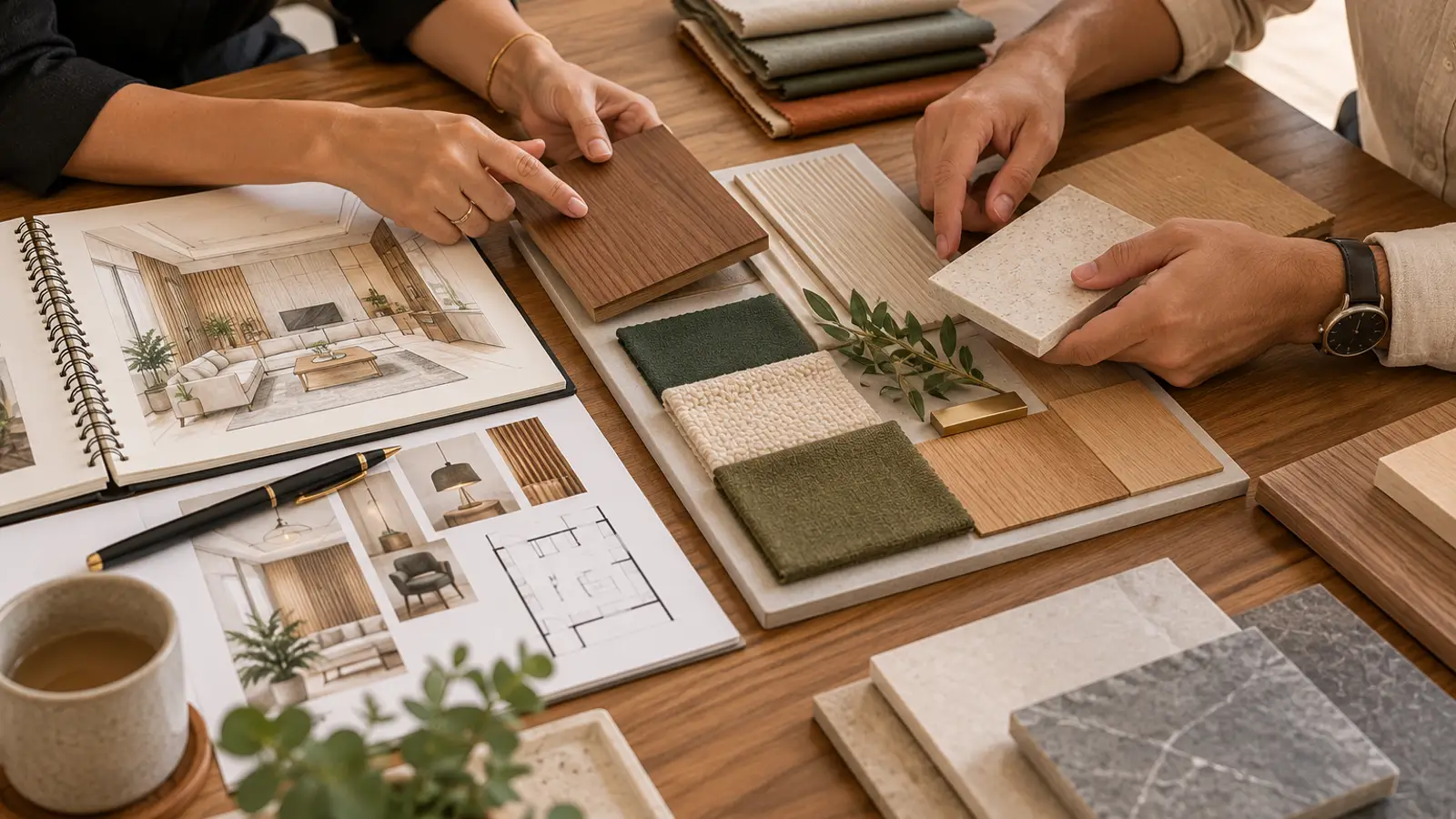
In short
A good brief saves weeks and money. Before meeting an interior designer, prepare the floor plan and photos of the space, a list of who lives there and how each room is used, what you need to store, what furniture and fittings you are keeping, a few reference images with a note on what you like in each, any must-haves and Vastu preferences, a realistic budget range and your deadline. Then ask the designer about their process, what the fee includes, how they handle execution and changes, and who will be your point of contact.
- Bring the floor plan, measurements if you have them, and photos of the current space.
- Describe how you live, room by room, rather than how you want it to look.
- List what stays, what goes and what you need to store.
- Share references, and say what you like about each one.
- Be honest about budget and deadline; a designer can only prioritise what they know.
Why the brief matters
A designer can only design for what they know. A clear brief means fewer rounds of revisions, fewer surprises on site and a home that fits how you actually live. It does not need to be formal: a few pages of notes and photos are enough.
1. The space
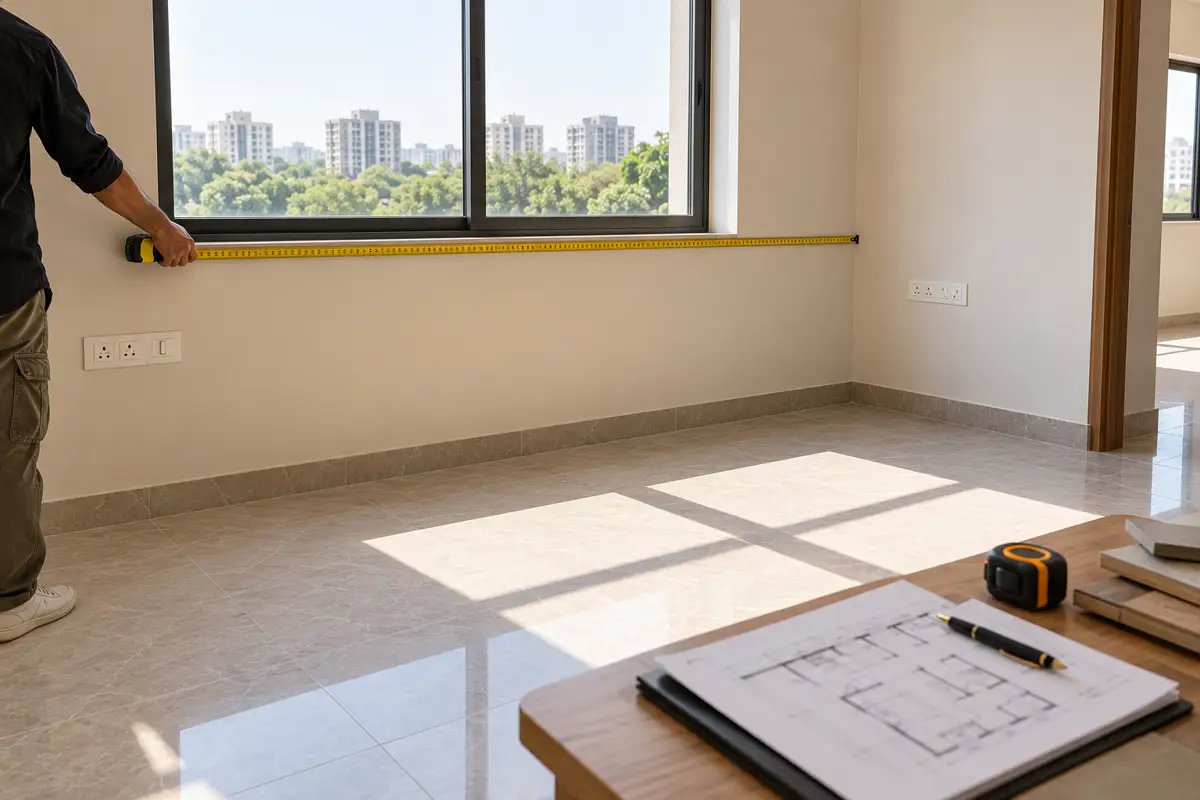
- Floor plan from the builder or society, and measurements if you have them.
- Photos of every room, including ceilings, windows and existing fittings.
- What is fixed: structural walls, wet areas, shafts, society rules about what can change.
- Condition: any seepage, cracks, old wiring or plumbing problems you know about.
2. How you live
Describe each person and each room in terms of use, not looks:
- Who lives here, their ages, and who might join (parents, a new baby).
- Who cooks, how often, and what kind of cooking.
- Who works or studies from home, and where.
- How often you host guests, and how many.
- Prayer, hobbies, pets, plants, music, exercise.
- What annoys you about your current home.
3. What you store
Storage drives the design and the budget. List clothes, shoes, books, kitchenware, documents, suitcases, seasonal bedding, sports gear and anything bulky. See our wardrobe design guide.
4. What stays
Furniture, appliances, art, lights and heirlooms you are keeping, with sizes and photos. A designer can plan around them, and some pieces can be refinished.
5. References
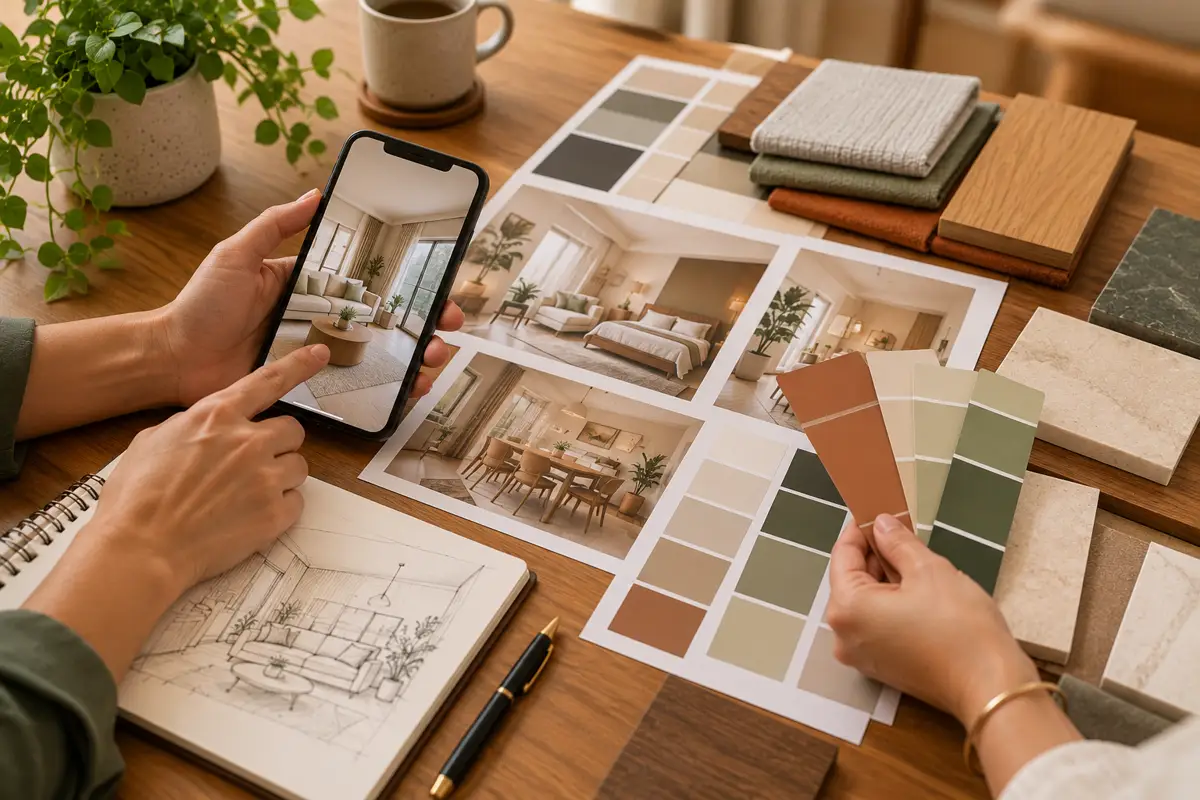
Collect a handful of images and add a line to each: "I like the light here", "the colour of this wood", "how open this feels". It is just as useful to share what you dislike.
6. Must-haves and preferences
- Rooms or features you cannot do without (a mandir, a study, a large dining table).
- Vastu preferences, if any; these are easiest to address before planning starts.
- Accessibility needs for elderly family members.
- Materials you love or want to avoid.
7. Budget and timeline
- A realistic budget range, and whether it includes loose furniture and appliances. See what drives interior cost.
- Your move-in date and any fixed events (a wedding, a new school year).
Questions to ask the designer
- What is your process, from brief to handover?
- What does the design fee include (drawings, 3D views, specifications, site visits)?
- Do you also execute the work, or only design? (turnkey explained)
- How do you specify materials and brands in the quote?
- How are changes after approval priced and recorded?
- What is the payment schedule, and is it tied to stages?
- What warranty covers workmanship and hardware?
- How long did similar projects take?
- Who will be my day-to-day contact?
- Can I see projects similar to mine?
Working with Savistar
The first consultation with Savistar is free. We discuss your vision, needs, budget and timeline to understand the scope, then develop plans, mood boards and 3D visualisations for your approval. See our interior design service, browse our interiors portfolio, or book a consultation. If you are planning a whole flat, read planning a 2BHK interior first.
Frequently asked questions
What should I bring to my first meeting with an interior designer?
The floor plan, photos of the space, a list of who lives there and how you use each room, what you need to store, the furniture you are keeping, a few reference images, any must-haves or Vastu preferences, your budget range and when you need to move in.
Should I tell the interior designer my budget?
Yes. A realistic range lets the designer recommend where to spend and where to save. Without it, you may get a design you love and cannot afford, or a cautious one that undersells the space.
What questions should I ask an interior designer?
Ask what their process is, what the design fee includes, whether they handle execution, how materials and brands are specified, how changes are priced, what the payment schedule is, what warranty they offer, how long similar projects took, and who your day-to-day contact will be.
Do I need to know my style before hiring a designer?
No. It helps to collect images you like, but a good designer will work out your style from how you live and what you respond to. It is more useful to know what you dislike and what has not worked in your current home.
About the authors
Sachi and Haripriya founded Savistar in Gandhinagar in 2020 after training at CEPT University, Ahmedabad. They run the interior design studio and its furniture brand SAAG, and have delivered 500+ interior and furniture projects across India and abroad. More about the studio
More from the journal
All articles → Interior designTraditional Gujarati Materials and Crafts in Modern Homes: Limewash, Stone, Lippan, Jaali and Textiles5 min read
 Interior designGujarat’s Wood Carving Tradition: Carved Houses of Ahmedabad’s Pols and How to Use Carving Today5 min read
 Interior designRenovating While Living at Home: How to Phase Interior Work With Less Dust, Noise and Stress5 min read