Custom furniture 4 min read
Custom vs Ready-Made Furniture: When Bespoke Is Worth It and When It Is Not
How custom-made and ready-made furniture compare on fit, materials, quality, cost, lead time and resale, which pieces are worth commissioning, and what to check before you order either.


In short
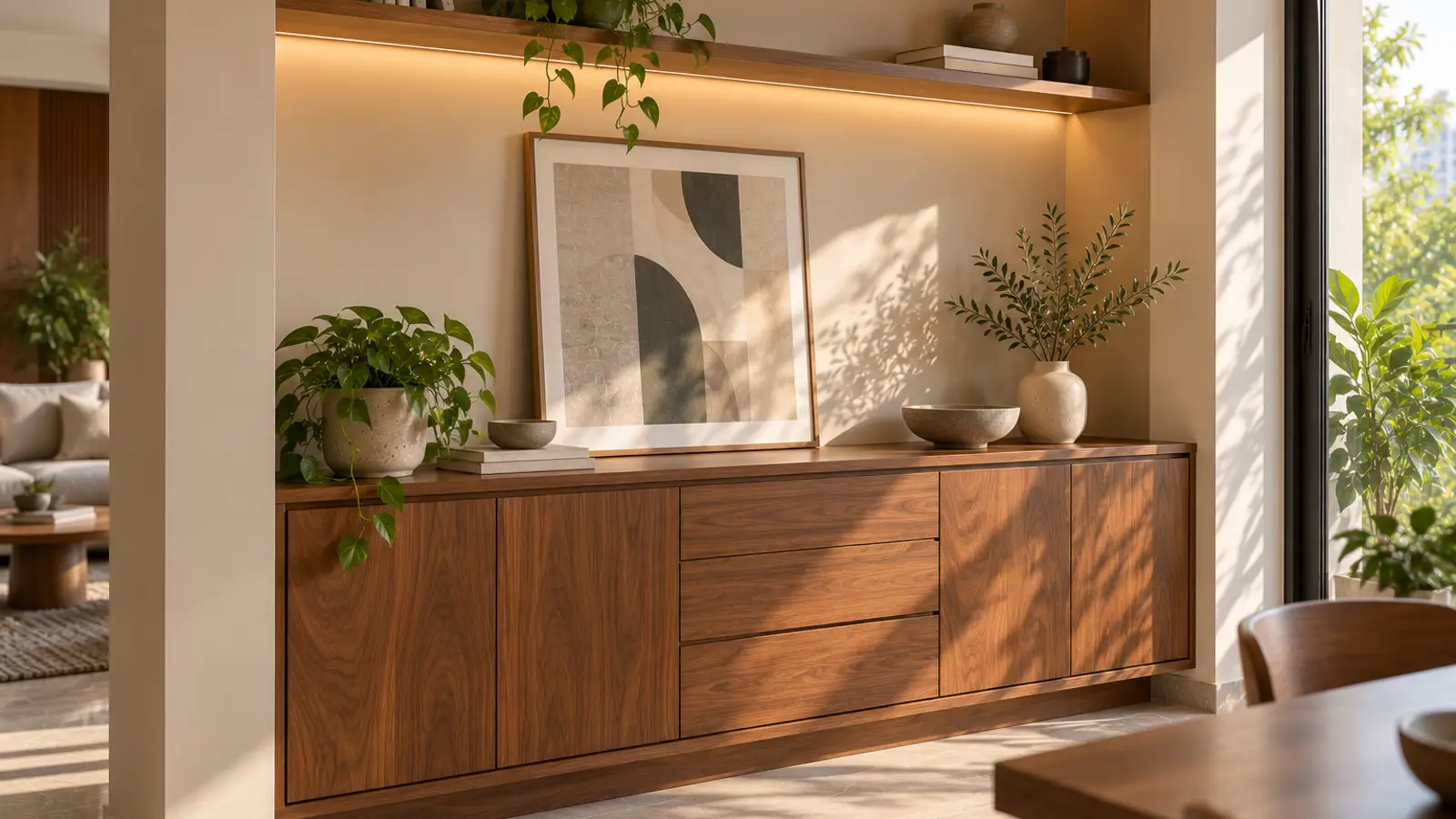
Ready-made furniture is quick, predictable and often cheaper, which makes it a sensible choice for standard pieces in standard spaces. Custom furniture is made for a particular room, person and use: it fits awkward spaces, lets you choose the timber, finish and dimensions, and, when well made in solid wood, can last for generations. It costs more and takes longer. Commission the pieces that must fit exactly, carry daily load, or you want to keep for decades; buy the rest ready-made.
- Custom fits the space and the people exactly; ready-made fits an average.
- With custom you choose the timber, joinery and finish; ready-made often uses particle board or MDF with a surface finish.
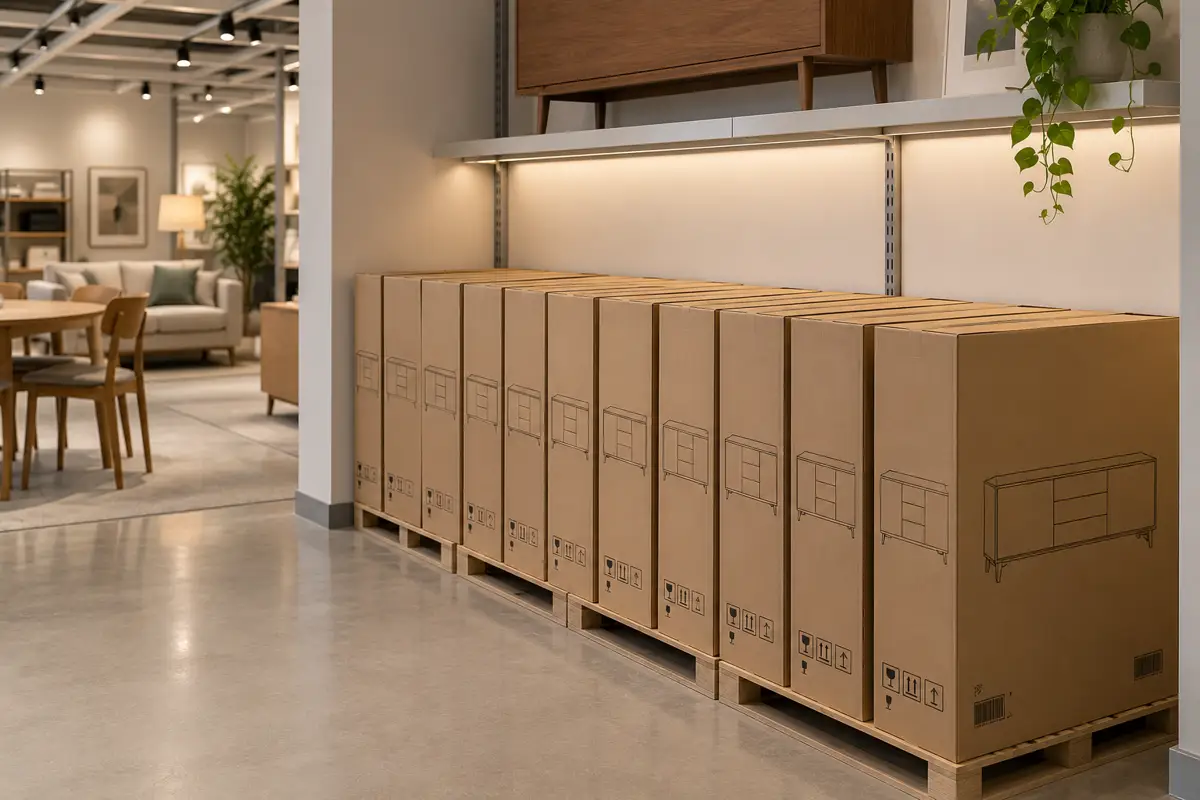
- Ready-made is faster and usually cheaper; custom needs design time and workshop lead time.
- Commission dining tables, beds, built-ins and statement pieces; buy standard and short-lived items ready-made.
- Whichever you choose, check the material, joinery, finish and warranty, not just the photos.
The real difference
Ready-made furniture is designed for an average room and an average buyer, and made in volume. Custom (bespoke) furniture is designed for one room and one family, and made to order. Neither is always better; they suit different pieces.
Compared
| Custom | Ready-made | |
|---|---|---|
| Fit | Made to the exact space and users | Standard sizes |
| Materials | You choose timber, board, finish | Fixed; often particle board or MDF in mass market |
| Construction | You can specify joinery and hardware | Often cam-lock or screwed assembly |
| Lead time | Weeks to months | Days to a few weeks |
| Cost | Higher, especially in solid wood | Lower, especially flat-pack |
| Consistency | Each piece individual (natural timber varies) | Identical to the showroom |
| Repair and refinishing | Solid wood can be repaired and refinished | Laminated board is hard to repair |
| Lifespan | Decades with good timber and joinery | Varies widely |
When custom is worth it
- Awkward spaces: niches, alcoves, sloping ceilings, columns and beams.
- Exact sizes: a dining table for the room you have, a bed for your mattress, a desk for your height (furniture dimensions guide).
- Daily-use, load-bearing pieces: dining tables and chairs, beds, benches.
- Heirloom pieces: solid wood with proper joinery that you expect to hand down.
- Matching an interior: pieces that share a material, finish or detail with the rest of the home.
- Specific materials: a particular timber, a traditional craft finish, reclaimed wood.
When ready-made makes sense
- Standard pieces in standard spaces: a bookshelf, a side table, children's furniture they will outgrow.
- Short-term homes and rentals.
- Tight deadlines.
- Upholstered pieces you want to sit on before buying.
What to check, either way
- Material: solid wood (which species, heartwood or sapwood?), plywood (which grade?), or MDF/particle board? See solid wood vs plywood vs MDF and teak vs sheesham vs mango vs oak.
- Seasoning: has the timber been kiln-dried? (why it matters)
- Joinery: mortise and tenon, dovetails and dowels, or screws and cam locks? (wood joinery guide)
- Finish: what is it, and how is it repaired? (finishes compared)
- Warranty and after-sales.
- Delivery and access: will it fit through the lift, stairs and doors?
How commissioning works
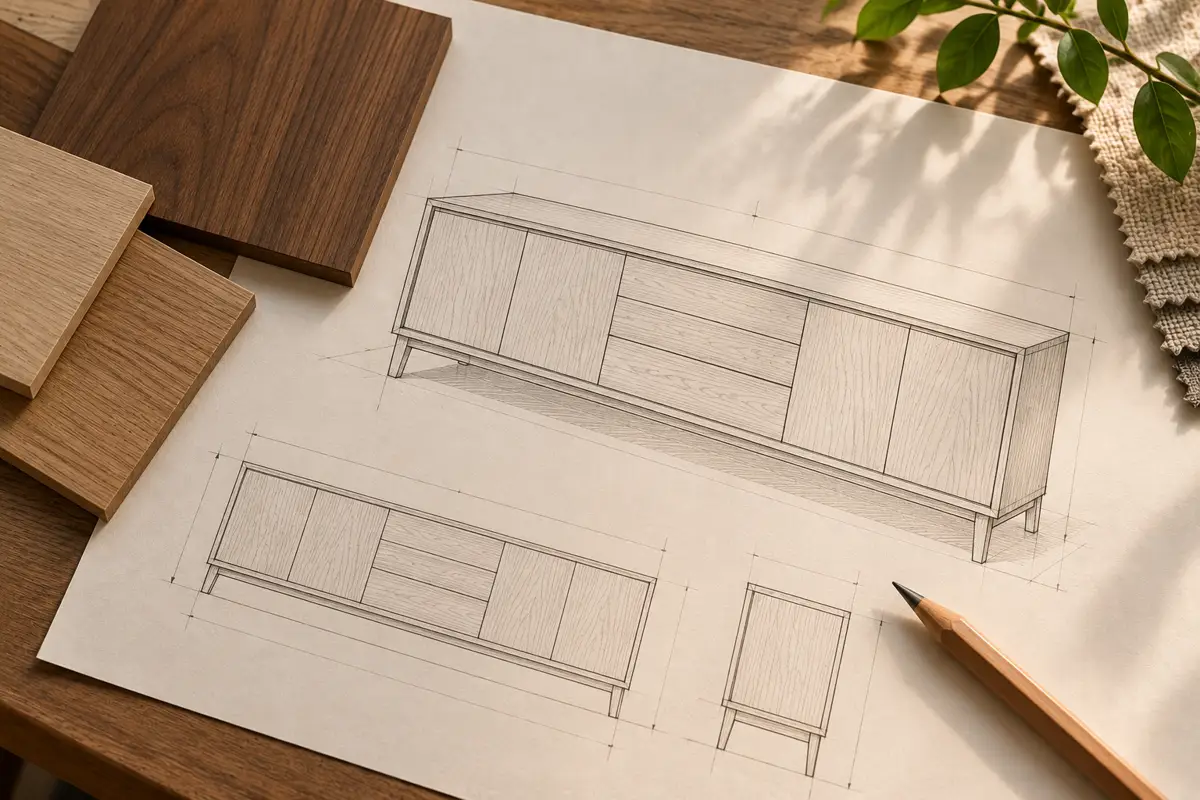
A good custom process looks like this: a brief and measurements, sketches and drawings, choice of timber and finish (with samples), a clear quote and lead time, making in the workshop with quality checks, finishing, delivery and installation. See how custom furniture is made.
Custom furniture by SAAG
SAAG, Savistar's furniture brand, designs and builds bespoke solid-wood furniture in-house, with responsibly sourced, kiln-dried timber and documented quality control. Custom furniture typically takes 6 to 16 weeks depending on the pieces. See our furniture portfolio, or describe the piece you have in mind.
Frequently asked questions
Is custom furniture more expensive than ready-made?
Usually, yes, especially compared with flat-pack furniture in particle board or MDF. Compared like for like, solid wood with proper joinery against solid wood with proper joinery, the gap is often smaller than people expect, and custom pieces avoid paying for features or sizes you do not need.
How long does custom furniture take?
It depends on the piece and the workshop’s queue, from a few weeks for a simple piece to longer for a full home. Savistar’s custom furniture typically takes 6 to 16 weeks depending on the pieces required.
Which furniture pieces are worth getting custom made?
Pieces that must fit a specific space (niches, alcoves, awkward corners), pieces that take daily load (dining tables, chairs, beds), built-in storage, and statement or heirloom pieces you want to keep for decades.
Is flat-pack furniture good quality?
It can be good value for light-duty and short-term use. It is usually made from particle board or MDF with a laminate or foil surface and cam-lock fittings, which are less tolerant of moisture, repeated assembly and heavy loads than solid wood or plywood with proper joinery.
About the authors
Sachi and Haripriya founded Savistar in Gandhinagar in 2020 after training at CEPT University, Ahmedabad. They run the interior design studio and its furniture brand SAAG, and have delivered 500+ interior and furniture projects across India and abroad. More about the studio
More from the journal
All articles →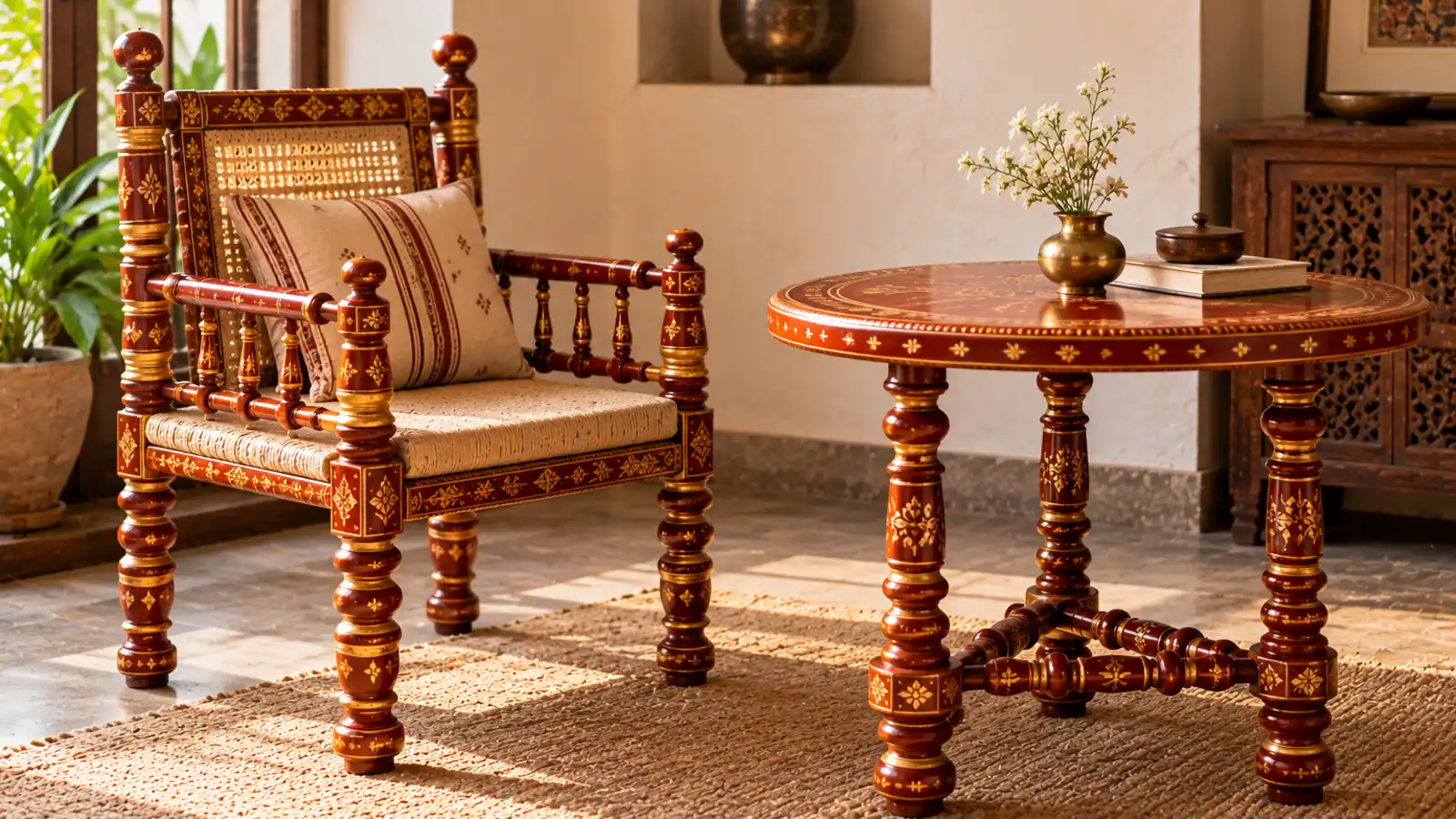 Custom furnitureSankheda Furniture: Gujarat’s Lacquered Teak and the Craft of Wood Turning4 min read
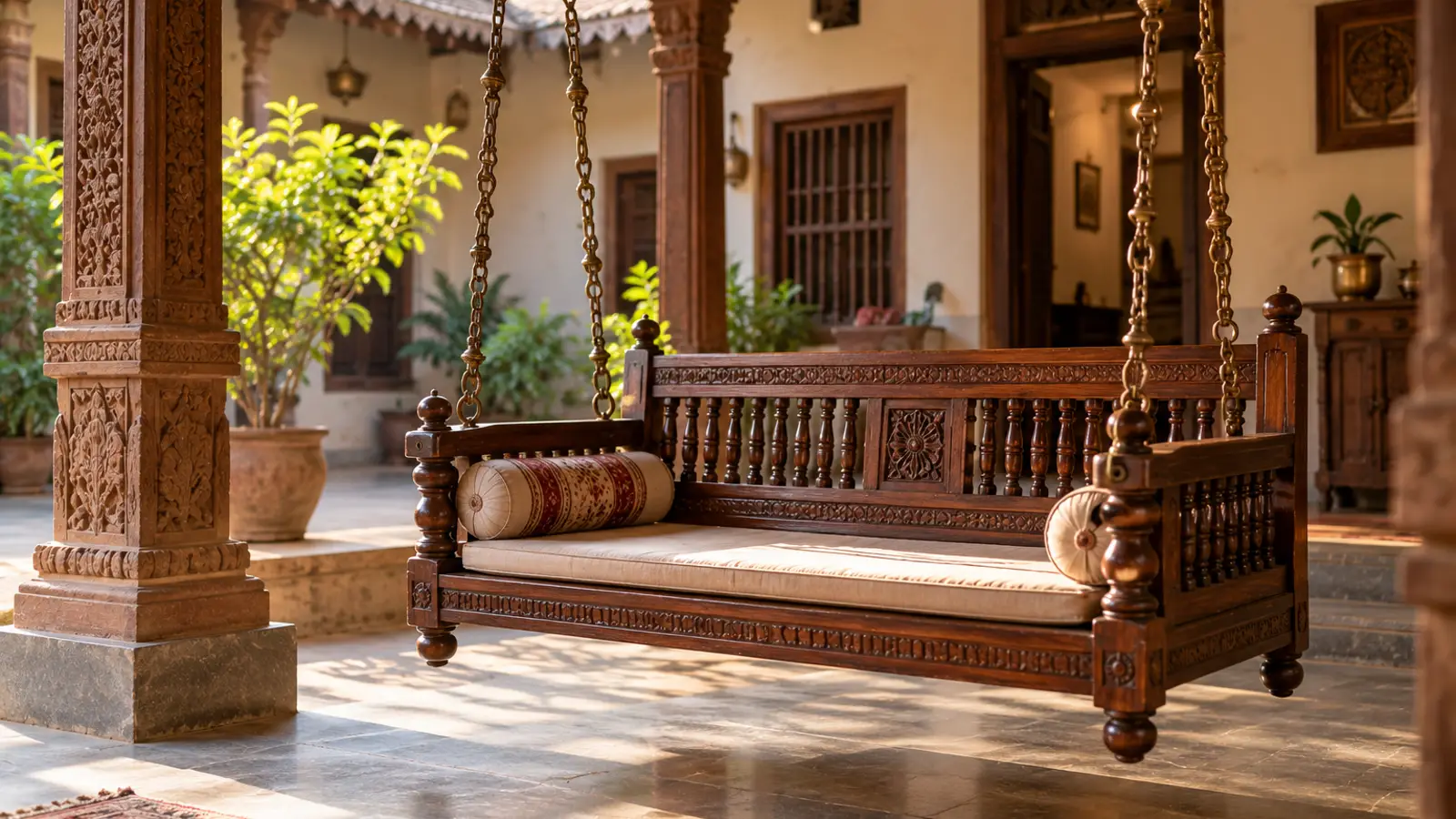 Custom furnitureVernacular Furniture of Gujarat: Chests, Cradles, Swings and Charpoys, and What They Teach Modern Design5 min read
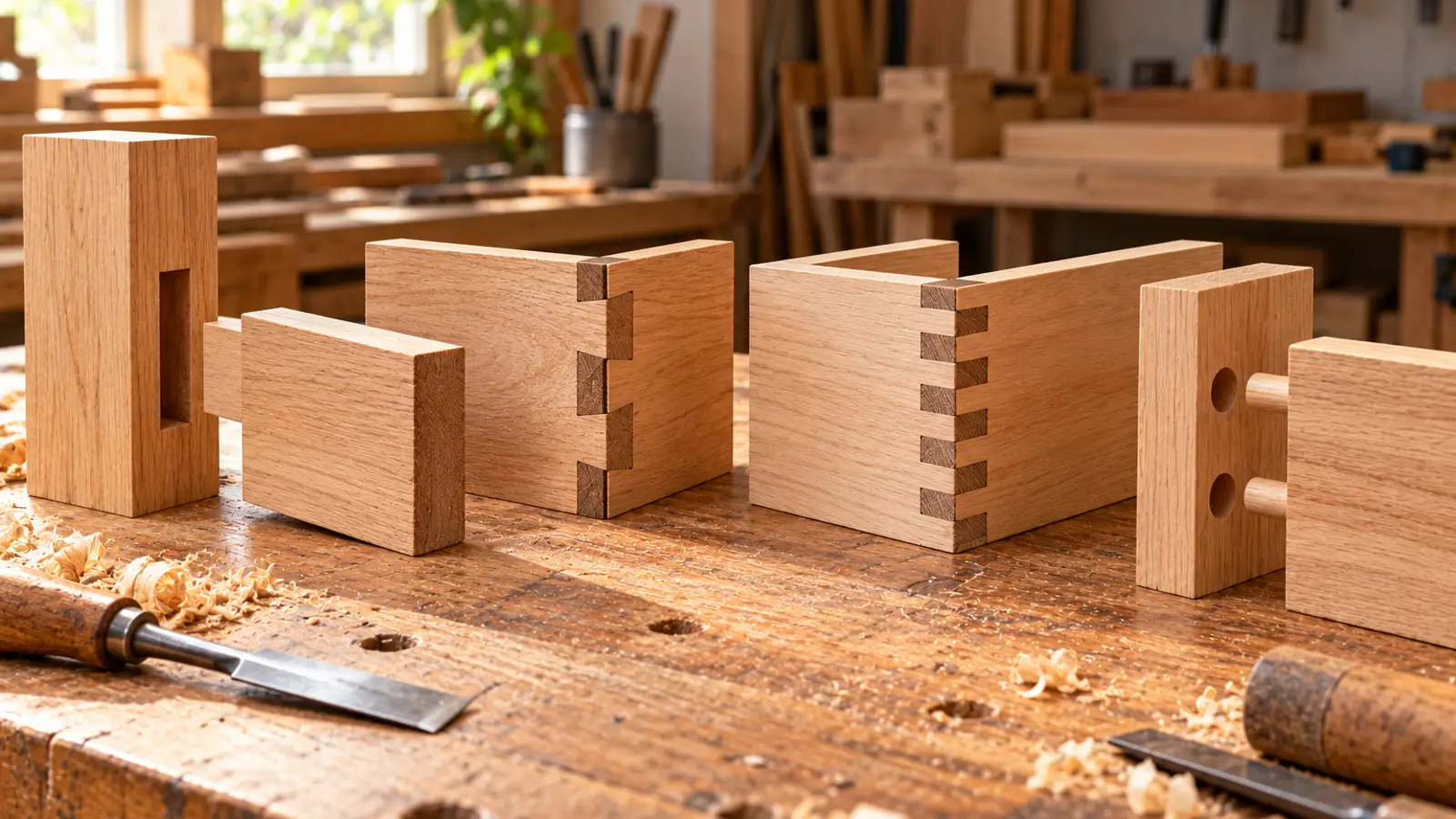 Custom furnitureA Guide to Wood Joinery: Mortise and Tenon, Dovetail, Dowel and Knock-Down Joints5 min read