Custom furniture 4 min read
How Custom Solid-Wood Furniture Is Made: From Sketch to Delivery
The stages of making a bespoke solid-wood furniture piece: brief and drawings, timber selection and seasoning, milling, joinery, glue-up, sanding, finishing, quality control, packing and delivery, and what each stage means for quality and lead time.


In short
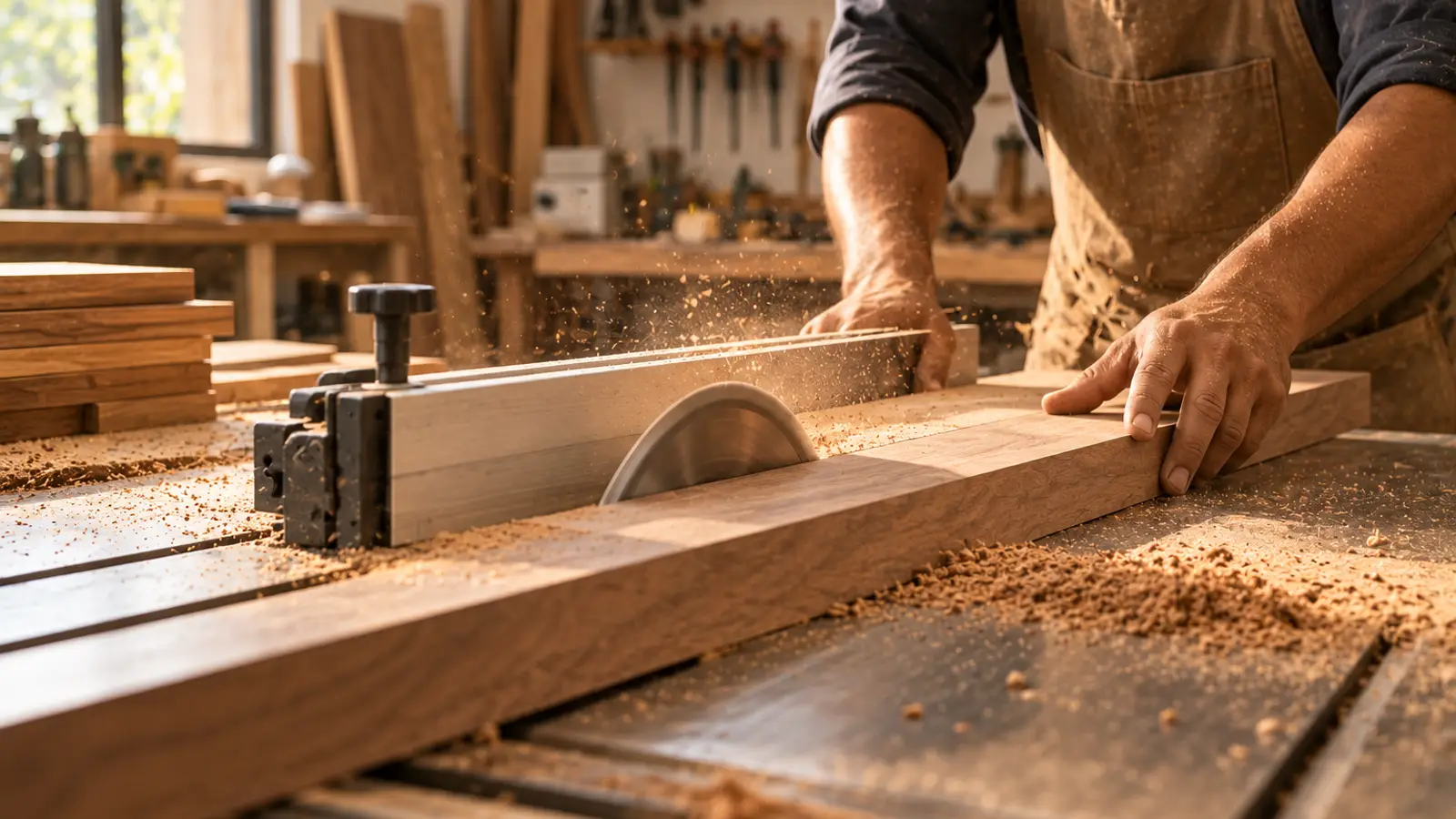
A custom solid-wood piece passes through a sequence of stages, each of which affects how long it lasts. It starts with a brief, measurements and drawings. Timber is chosen and seasoned to the right moisture content, then milled flat and square. Parts are cut and joined, dry-fitted, glued up, and sanded. The finish is applied in coats and left to cure. Quality checks along the way catch problems before they are hidden. Finally the piece is packed, delivered and installed. Rushing the timber or the finish is where most problems begin.
- Good furniture starts on paper: drawings fix sizes, joints and grain direction before timber is cut.
- Seasoned, acclimatised timber is the foundation; no joinery or finish saves badly dried wood.
- Milling flat and square, and a dry fit before gluing, are what make joints tight.
- Most of a finish’s quality comes from sanding and preparation, and from letting it cure.
- Quality checks belong at every stage, not just at the end.
1. Brief, measurements and design
Every piece starts with how it will be used: who sits at the table, how many, what goes in the cabinet, the room it lives in. The maker measures the space (and the route into it: lift, stairs, doors), then produces sketches and drawings with sizes, joinery and grain direction.
This is where proportions are set for the people using it (see the furniture dimensions guide), and where the design allows wide panels and tops to move with the seasons.
2. Choosing timber
The species is chosen for the piece and the budget (see teak vs sheesham vs mango vs oak), then individual boards are selected for grain, colour and defects. Visible surfaces such as table tops get the best boards, laid out so the grain flows across the piece.
3. Seasoning and acclimatising
Timber must be dried close to the moisture content it will settle at in the client's home, usually by kiln drying, then allowed to acclimatise in the workshop. This is the single most important step for preventing cracks and warping later. See why kiln-dried wood matters.
4. Milling
Rough boards are flattened, straightened, squared and brought to thickness. Accurate milling is what makes later joints close tightly. Boards are often milled in stages, with rests in between, so internal stresses can show themselves before final dimensions are reached.
5. Cutting and joinery
Parts are cut to size and joints are made: mortise and tenon for frames, dovetails for drawers, and other joints chosen for the load each part carries. See our wood joinery guide.
6. Dry fit
The whole piece is assembled without glue to check that every joint closes, the piece sits square and flat, and drawers and doors fit. Problems found now are easy to fix.
7. Glue-up and assembly
Joints are glued and clamped in a planned sequence, checking for square. Tops and panels are attached with fixings that allow movement across the grain.
8. Sanding and preparation
Surfaces are sanded through progressively finer grits, edges are eased, and any defects are repaired. Most of a finish's final quality is decided here.
9. Finishing
The finish (oil, PU, lacquer or a traditional polish) is applied in coats, with drying and light sanding between them, on every surface including undersides and insides. The piece is then left to cure. See finishes for solid wood furniture.
10. Quality control
Checks belong at each stage: moisture content before milling, dimensions after cutting, the dry fit, flatness and square after glue-up, surface quality before finishing, and a final inspection of the finish, hardware and operation of every door and drawer.
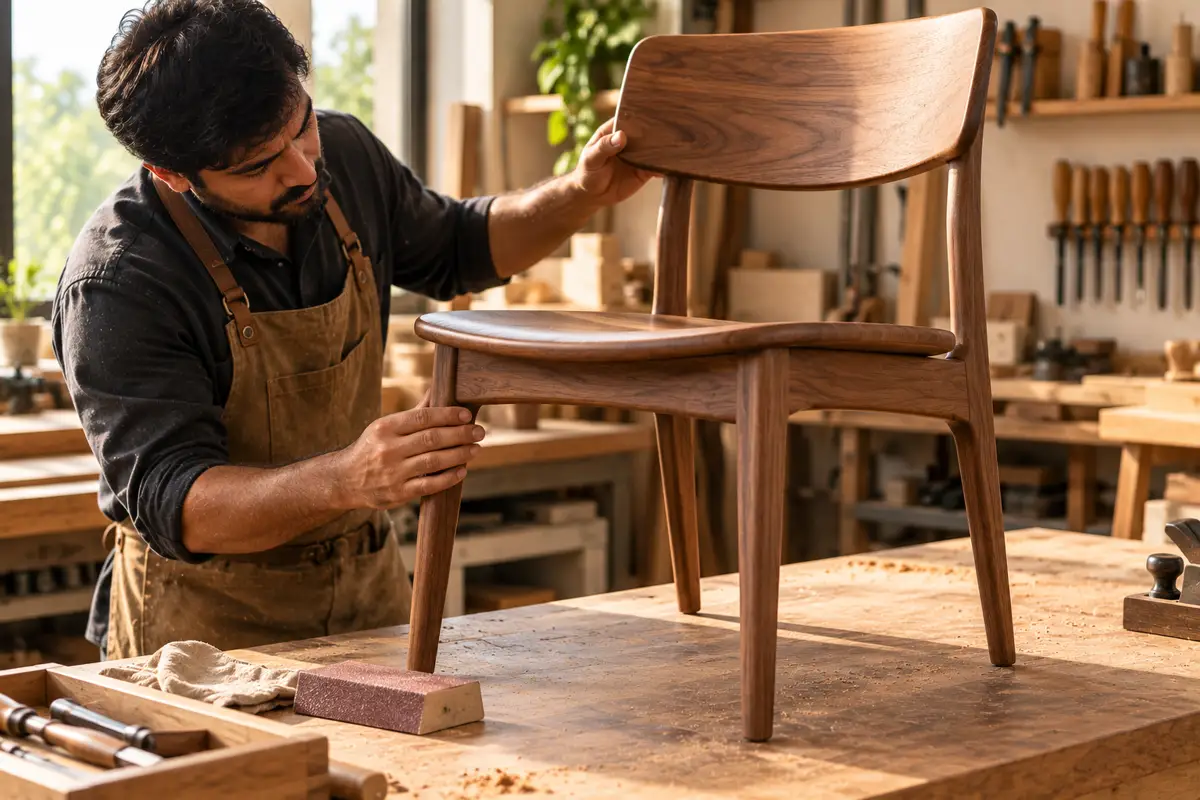
11. Packing, delivery and installation
Pieces are wrapped to protect edges and finish, delivered, and placed or installed, with doors and drawers adjusted on site. Large pieces may be designed to knock down for delivery. For pieces travelling abroad, see shipping furniture from India abroad.
At SAAG
SAAG, Savistar's furniture brand, designs and builds bespoke solid-wood furniture in-house, with responsibly sourced, kiln-dried timber and documented quality control from raw board to finished piece. See our furniture portfolio, read custom vs ready-made furniture, or start a commission.
Frequently asked questions
How long does it take to make custom furniture?
It depends on the piece, the timber and the workshop schedule. Savistar’s custom furniture typically takes 6 to 16 weeks depending on the pieces. Seasoning timber and letting finishes cure are steps that should not be rushed.
Can I see the timber before my furniture is made?
With a good custom maker, yes. Ask to see the boards or a sample of the species and finish, especially for large visible surfaces such as table tops, where grain and colour vary from board to board.
What is a dry fit?
A dry fit is assembling all the parts of a piece without glue, to check that every joint closes properly and the piece is square, before the final glue-up when mistakes become permanent.
Why does a finish take so long?
Each coat must dry before sanding and the next coat, and many finishes take days or weeks to reach full hardness. Using a piece too early can leave marks in a finish that is still soft.
About the authors
Sachi and Haripriya founded Savistar in Gandhinagar in 2020 after training at CEPT University, Ahmedabad. They run the interior design studio and its furniture brand SAAG, and have delivered 500+ interior and furniture projects across India and abroad. More about the studio
More from the journal
All articles →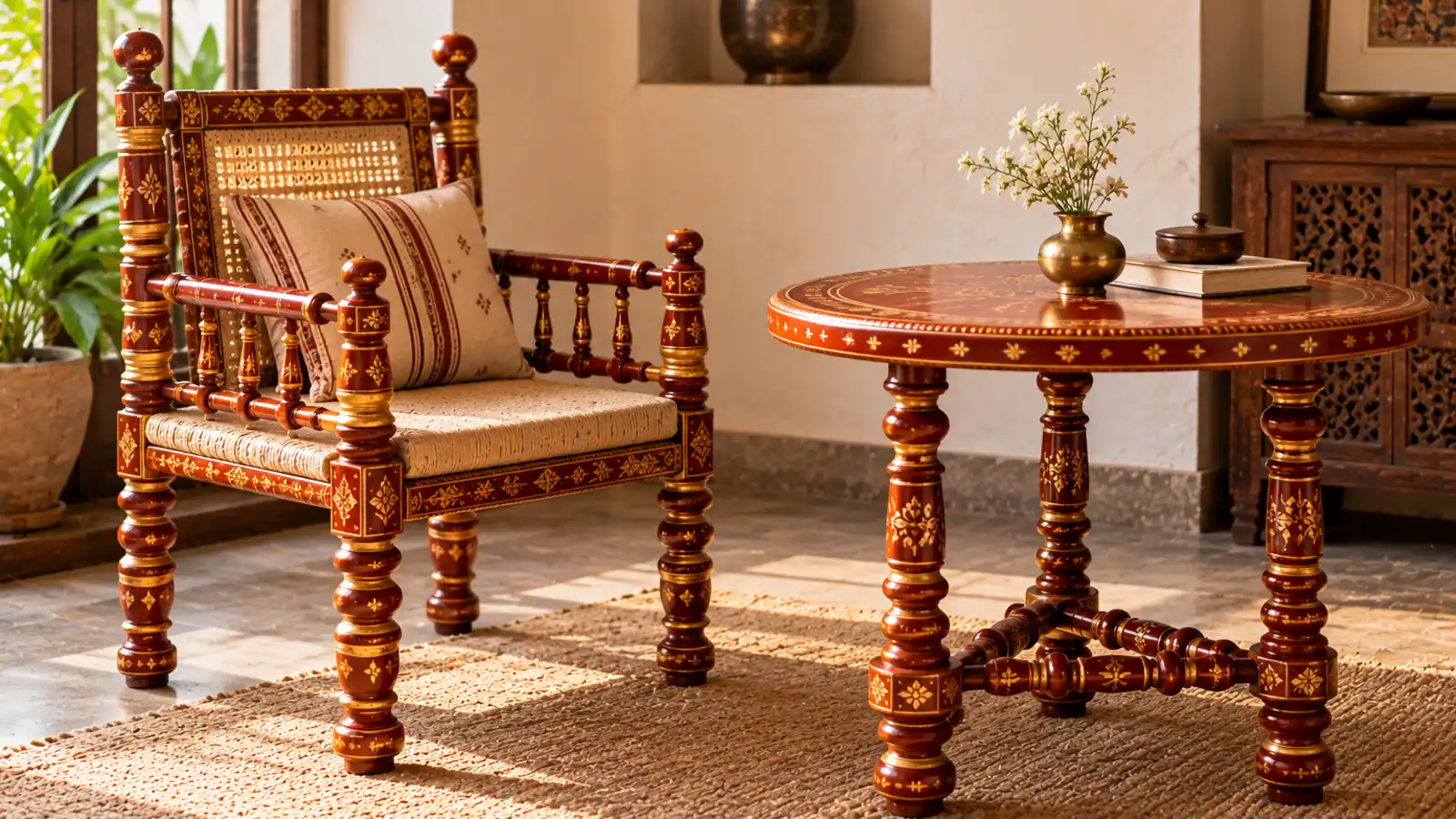 Custom furnitureSankheda Furniture: Gujarat’s Lacquered Teak and the Craft of Wood Turning4 min read
 Custom furnitureVernacular Furniture of Gujarat: Chests, Cradles, Swings and Charpoys, and What They Teach Modern Design5 min read
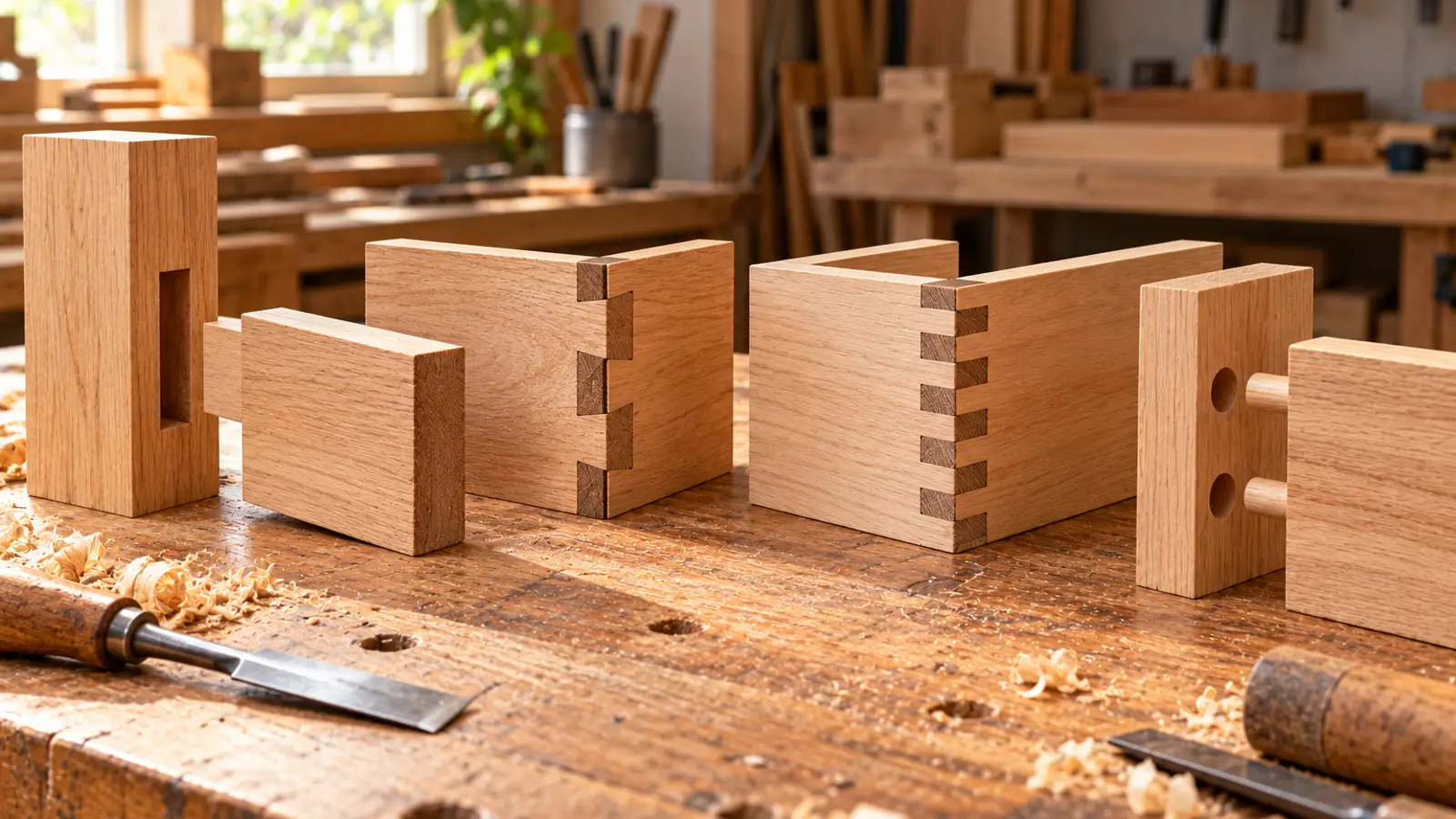 Custom furnitureA Guide to Wood Joinery: Mortise and Tenon, Dovetail, Dowel and Knock-Down Joints5 min read